Shahmima Akhtar
International exhibitions, world’s fairs, expositions all refer to the vivid spectacles of display, performance and entertainment that gripped the world in the nineteenth and twentieth centuries. Cities, nations, and countries each took turn in hosting these grand displays with fairs held in London, Dublin, New York, Paris, Brussels, and more. These displays usually lasted for six months at a time and were resplendent with national significance, commercial promise, and endless possibilities for education. Exhibitions originated in 1851 with the first display in Crystal Palace, London, designed to show the might of the British Empire. Industry, engineering, art, and architecture were put on display over two hundred acres of land. Visitors could visit for six shillings apiece and were invited to marvel at the might of the British Empire as demonstrated through its colonial pavilions, its resplendent showcases full of goods and trinkets and its entertainment section, fit with general amusement for families with children.
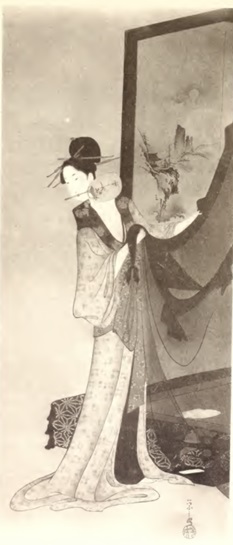
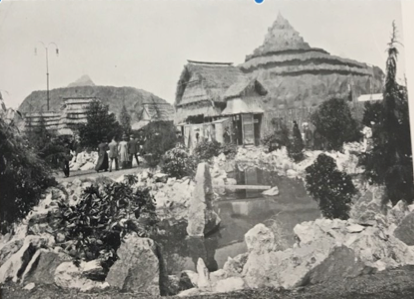
The fairs were typically held every few years and Japan sought the opportunity to display in the Japan-British Exhibition of 1910 held in London. Over 200 acres, Japan sought to convince visitors that it was a worthy competitor to the British Empire, full of beautiful gardens and people (Figure 1), conquered tribes (Figure 2) and worthy industry and commerce. There were over 2,200 local Japanese tradespeople, business networks and international organisations that sought to display Japan in London. Over six months, exhibitors jostled to stimulate better trade between the two countries, to engender tourism, and generally to create an affable vision of Japan.

 Centre for Global South Asia
Leave a comment