Our Academics
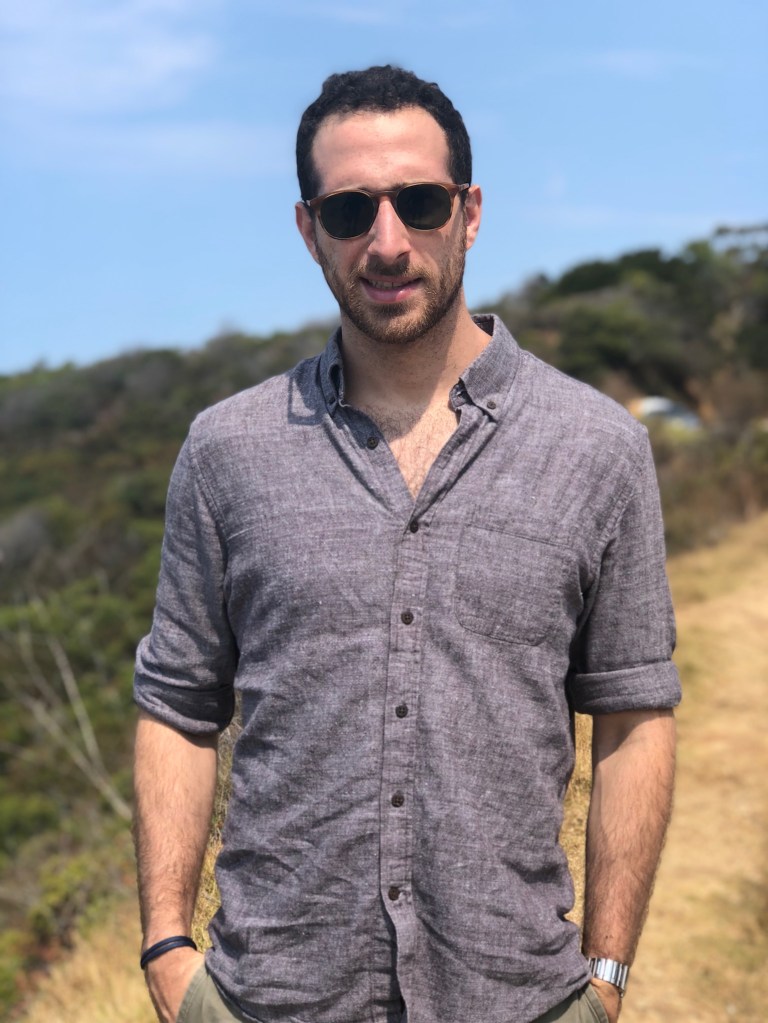
Dr Adam Lerner
Dr. Adam B. Lerner is Senior Lecturer in Politics and International Relations at Royal Holloway, University of London. His research lies at the intersection of international political theory and international history, with a regional focus on global South Asia. His first book, From the Ashes of History: Collective Trauma and the Making of International Politics, was published by Oxford University Press in March 2022.
| Publications |
Research Interests
I focus on the intersection of international political theory and international history. I have published peer-reviewed articles on the political impact of group minds, collective trauma in international politics, Indian and Israeli state-building, the politics of victimhood and ontological security. Before beginning my academic career, I was a reporter at Politico and a Henry Luce Scholar at the Caravan, a Delhi-based narrative journalism magazine.
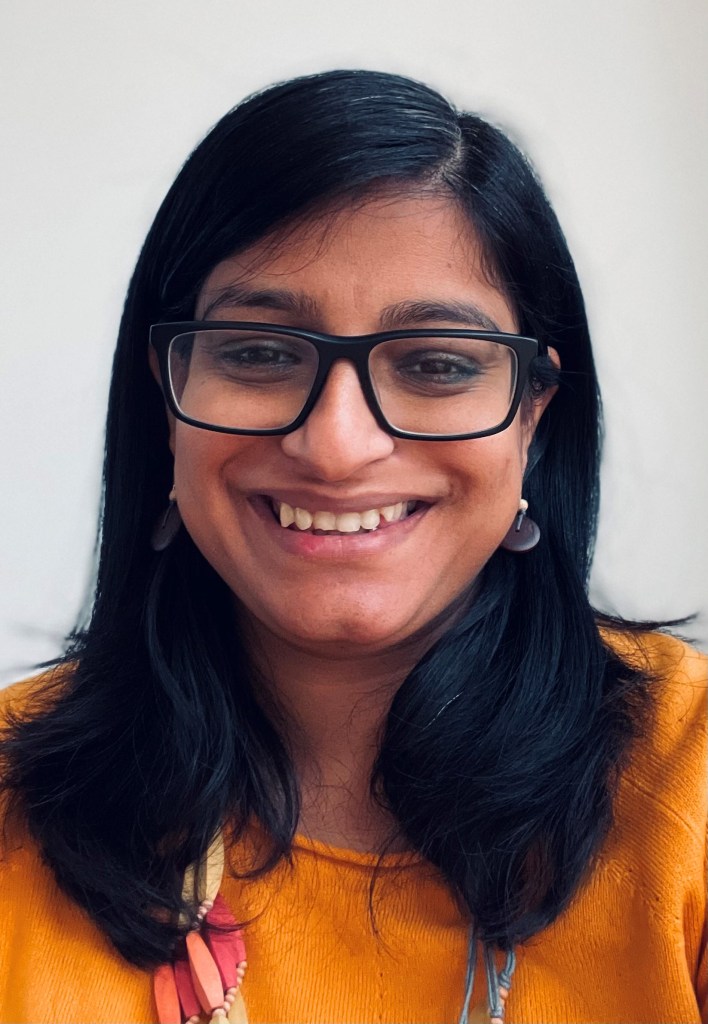
Dr Antara Datta
Antara Datta is a Senior Lecturer in International Relations at Royal Holloway. Her research interests focus on refugees and the making of borders and citizenship in South Asia. Her first book ‘Refugees and Borders in South Asia: The Great Exodus of 1971’ looked at the refugee crisis caused by the events in East Pakistan in 1971 and the creation of ‘effective’ and ‘affective’ borders as a consequence of it. Her current projects look at postcolonial citizenship and statelessness in the South Asian diaspora and non-Partition refugees in the subcontinent.
| Publications |
Research Interests
My first book titled ‘Refugees and Borders in South Asia: the Great Exodus of 1971’ was published by Routledge in 2012 and engages with the aftermath of the process of decolonisation and uses the war of 1971 to examine the creation of ‘affective’ and ‘effective’ borders in South Asia, the subjectivity of minorities, as well as changing ideas about citizenship within South Asia that move beyond the familiar paradigms of region and religion. My current research looks at the link between border crossers and the creation of ideas about nationality and citizenship in South Asia. In particular I am interested in the expulsion of the Indian diaspora from Burma and Uganda as well as the presence of European refugees in India after WWII. A separate strand of my research examines the manner in which the Indian state has attempted to open up multiple possibilities of belonging for Non Resident Indians. The courses I teach at Royal Holloway are influenced by my interest in the making of nations and states in modern South Asia as well as questions of war, violence and displacement in a comparative context.
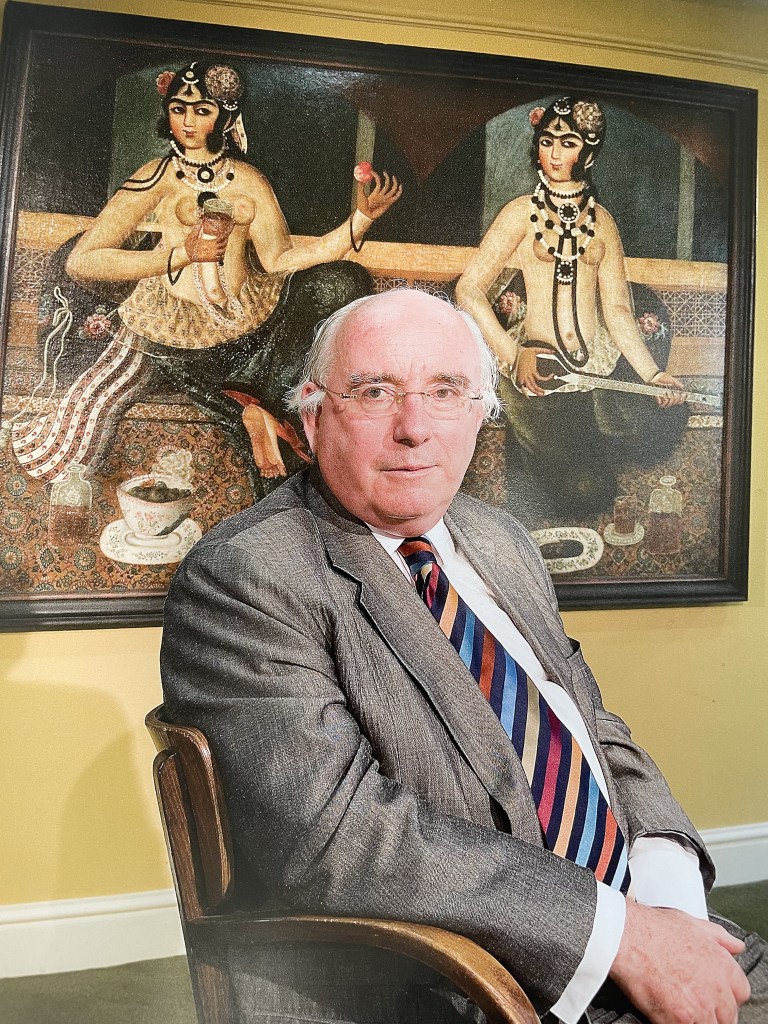
Prof Francis Robinson
Professor Francis Robinson’s main field of research is religious change in the Muslim world from the 18th century to the present. He has a particular interest in the roles of ulama and Sufis – learned and holy men – in transmitting, sustaining, and interpreting the central messages of Islam.
| Publications |
Research Interests
Francis has had the great advantage of working on the private papers of the Farangi Mahal family of Lucknow, the leading family of Islamic learning in South Asia for nearly three centuries. Working with these records and others he has been able to explore the great movement of revival and reform which has swept through the Muslim world since the eighteenth century.
Over his career he has published fourteen books on aspects of the Muslim World, and for his contributions to higher education has received a CBE, the appointment of DL, and the position of Professor Emeritus at Royal Holloway.
Public Engagements
Francis’s public-facing roles are wide-ranging. For over ten years, he has been Chair of the Sir Ernest Cassel Educational Trust, which focuses on women’s education and the Commonwealth. He is also a Trustee of the Surrey History Centre, which is the public face of the County Archives. He has always sought to forge strong links between the Archives and the History Department at Royal Holloway, and between academic research and policy (for instances, a series of conferences he organised with the research department of the Iranian Foreign Office). Francis has been involved with the Royal Asiatic Society for forty years (and counting). He has served as Member of Council, and two three-year stints as President. His particular area of focus at the Society has been publishing. The RAS now publishes approximately six books a year in collaboration with university presses such as Cambridge, Edinburgh, and Routledge.
Prof Humayun Ansari
Professor Humayun Ansari is a historian of Islam and cultural diversity, with a focus on Muslims living in the West. His book The Infidel Within: Muslims in Britain Since 1800 (first published in 2004) pioneered the historical study of the experiences of Muslims living in Britain.
| Publications |
Research Interests
Humayun’s academic publications have explored ethnicity, identity, migration, multiculturalism, Islam in the West, Islamism, Islamophobia, radical Islamic thought and Muslim youth identities. Since these themes are also of contemporary interest, his work has connected the university world with government, policymakers and local communities, underpinning consultancy and research projects. In 2002, he was awarded an OBE for services to higher education.
Ongoing Projects and Other Works
He is currently working on a biographical study of the life and times of Maulana Barkatullah Bhopali, a less well-known but nonetheless fascinating Indian Muslim of the late nineteenth/early twentieth century. His personal political journey took him around the world several times as he moved from being a pan-Islamic radical to a revolutionary nationalist. He was one of the founder members of the famous Ghadar Party during the First World War. In many ways, this project harkens back to his earlier work, which focused on the reception of socialist thought among North Indian Muslims and was published in a revised edition by OUP in 2015.
Public Engagements
Much of his research work has connected directly with local communities in contemporary Britain. In 2011, for instance, I prepared a scholarly edition of the Minutes of the London Mosque Fund and the East London Mosque Trust: 1910-1951. By tracing the institutional evolution and religious activities of Muslims in London, he was able to further encourage a more textured understanding of the place of Muslims within British society. With his support, the East London Mosque subsequently acquired funding to make its archives available to the public.
Another area of his research interests has focused on the involvement of Indian Muslim soldiers and their loyalty in the First World War. His work here connects with his long-standing research interest in the places of British Muslim significance in and around the Surrey town of Woking, home to the historic Shah Jahan mosque and various Muslim burial places. He is the advisor to the Everyday Muslim project that has put together a hugely innovative heritage trail connecting these important sites of British Muslim collective memory
Dr Markus Daechsel
Dr Markus Daechsel serves as the Director of the Centre for Global South Asia. His work is underpinned by a questioning of how societies in the Global South have responded to the challenges of capitalist modernity in the twentieth and twenty-first centuries. Their perspectives on a changing world take centre-stage in his teaching and research, and he has a special interest in how ideas of ‘development’ have influenced the religious, cultural, and political life of India, Pakistan, Nepal and Bangladesh.
| Publications |
Research Interests
Markus has spent extensive research periods studying Pakistan’s great cities and their vernacular cultures. When researching for his monograph on urban reconstruction in mid-twentieth-century Pakistan (CUP, 2015), he became increasingly aware that ‘development’ can only be told as a trans-national story. His research took him to old haunts in Islamabad, Karachi and Lahore, but also to Washington D.C. and Athens. Pakistan’s new capital city of Islamabad, he discovered, was largely planned and conceived in an engineering bureau with a direct view of the acropolis. A collaborative initiative on ‘Frontier Urbanism’ in post conflict cities can be found on this site, and comes about in part as a response to this evolving global outlook.
Dr Paris Chronakis
Dr Paris Chronakis (History) teaches and researches on the history and memory of the Modern Mediterranean. His work explores questions of transition from empire to nation-state bringing together the entangled histories of Jewish, Muslim and Christian urban middle classes from the late Ottoman Empire to the Holocaust.
| Publications |
Research Interests
In the last years, his research and publications have expanded to post-imperial urban identities, Balkan War refugees and urban resettlement, Zionism and anti-Zionism in interwar Europe, the Holocaust of Sephardi Jewry and digital Holocaust Studies. Dr Chronakis is on the editorial board of the Bulletin de Correspondance Hellénique Moderne et Contemporaine.
Prof Sarah Ansari
Professor Sarah Ansari is a historian of South Asia, also known as the Indian subcontinent. Much of her research focuses on the province of Sindh and the mega port-city of Karachi, today found in Pakistan, and explores the issues of religion, migration, identity, citizenship and gender.
| Publications |
Research Interests
“For her, the 1947 Partition (which effectively marked the beginning of the end of Britain’s global empire), is British history, particularly when we consider how many people in Britain today have direct connection with the largest displacement of people in the 20th century (estimated as many as 14 million).
Ongoing Projects and Other Works
Sarah’s latest monograph, Boundaries of Belonging (CUP, 2019, co-written with William Gould), explores citizenship in early independent India and Pakistan.
Since c. 2015, Sarah has been working with a wide range of communities and organisations to raise public understanding of the huge loss of lives and displacement that accompanied the end of the British Empire in South Asia. The Partition Education Group, which she has co-chaired, forms part of a wider campaign to establish an annual ‘South Asia History Month’, which hopefully will be running in time to coincide with Partition’s 75th anniversary in 2022.
Public Engagements
‘Child of the Divide’
The Partition History Project, an educational pressure group established by interfaith Church of England clergy, drew on Professor Ansari’s historical expertise in their application for funding and subsequent re-staging of Sudha Bhuchar’s 2006 play ‘Child of the Divide’. This initiative centred on the loss, displacement, mass migration and trauma involved in Partition and its more contemporary parallels. The play, which undertook a national tour, was watched by audiences from different religious communities and was contextualised with historical resources.
Professor Ansari was also commissioned by Bhuchar to write the introduction to a new edition of ‘Child of the Divide’ (Bloomsbury Publishing, 2017) with the aim of developing a greater sense of inclusion through enhancing the understanding that the play’s historical resonances provide.
Dr Shahmima Akhtar
Dr Shahmima Akhtar is a historian of race, migration and empire; she is a lecturer in the History department at Royal Holloway University of London.
| Publications | Twitter: @shahmima_akhtar |
Research Interests
Shahmima is interested in constructions of whiteness, visual forms of identity production, and the ways in which the realm of display and culture intersect or else sustain modes of being, whether politically, socially or culturally.
Taking a cultural approach to the study of history, she maps modes of knowledge production as it relates to marginalised communities within the British Empire.
Ongoing Projects and Other Works
Shahmima is currently working on “Exhibiting Irishness: Empire and Identity, 1851-1970”, which considers how Ireland displayed itself in the 19th and 20th centuries in Britain and the United States, and interrogates what and how visions of Irishness were engendered in the fairground.
Her second project is provisionally titled ‘“Longing for Home”: Voices of History, Citizenship and Identity in Britain’s South Asian Communities’, seeks to interrogate the expansive notions of ‘British citizenship’ adopted by South Asian migrants moving to Britain in the 1970s and 1980s in terms of where home is and how those decisions were made. Overall, Shahmima is interested in constructions of whiteness, the intersections between display, and the visual in identity making. Taking a cultural approach to the study of history, she maps modes of knowledge production as it relates to marginalised communities within the British Empire.
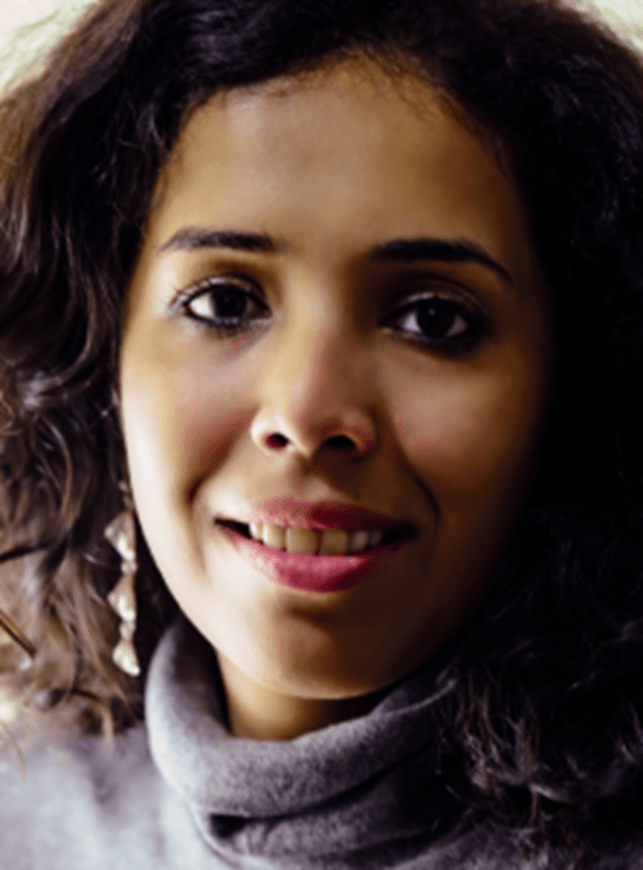
Dr Mrinalini Venkateswaran
Dr Mrinalini Venkateswaran is a Leverhulme Early Career Fellow at the History Department. Her work bridges the gaps between museums and the academy, to uncover unique insights that such an approach can deliver. She is also passionate about museums, with over 15 years’ experience in the sector on research-led exhibitions and publications.
| Twitter: @mv248 | Instagram: @mrinv |
Research Interests
Mrinalini’s doctoral research investigated museum collecting in postcolonial Indian Punjab, to explore what role this played in constructing national and regional identities in the formative years after independence. Her work received support from the Cambridge Trust, Rajiv Gandhi Foundation, J. N. Tata Endowment, Royal Asiatic Society, and Royal Historical Society, among others. She began her Leverhulme fellowship in March 2022 at Royal Holloway, to investigate the role of princely patronage in constructing the independent Indian nation. She is also a Fellow of the Royal Asiatic Society.
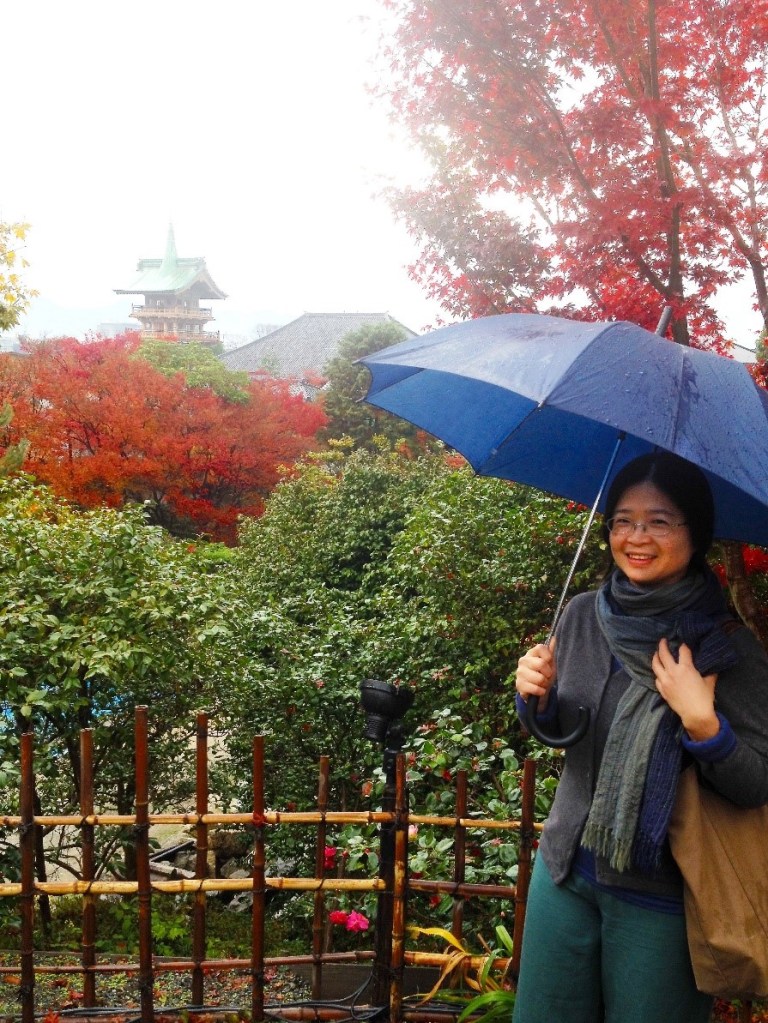
Dr Weipin Tsai
Dr Weipin Tsai’s main field of research is modern China, focusing on the late Qing to the Republican period (broadly 1800-1949), an era of dramatic change in China as it was reluctantly forced to open up to foreign trade, ideas and technology.
| Publications |
Research Interests
Principal interests are in Chinese modernisation and its engagement in globalisation from the 19th century onwards, in particular the role of the foreign-run Chinese Maritime Customs Service, as well as the creation of the Chinese Postal Service, and Chinese newspapers in the 19th and the first half of the 20th centuries.
Our Postgraduates
We have several enthusiastic postgraduate researchers working with the Centre. Here they talk a little bit about themselves and their work.
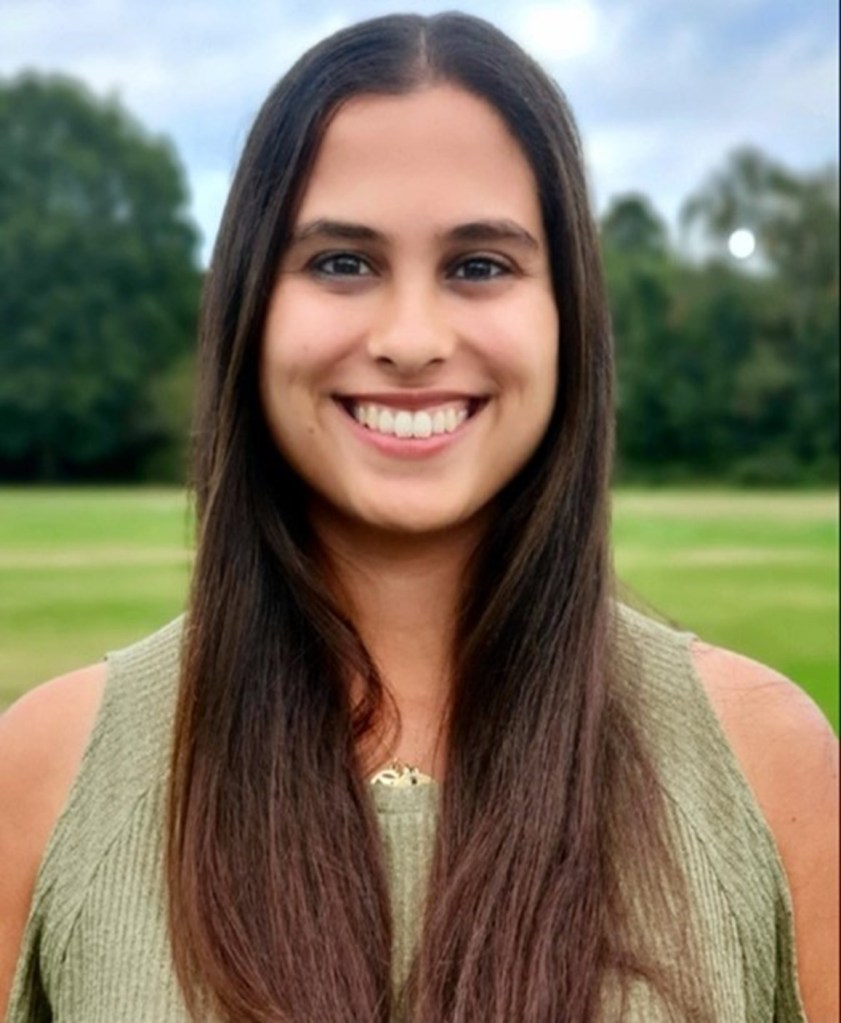
Ms Johti Kirby
My study up to PhD level has varied, consisting of a BA(Hons) in English Literature and a Masters by Research looking at Female Gothic Literature and the complex figure of the Freak. I have taught on Undergraduate module ‘Theoretical Encounters’ and encouraged students to question binaries such as ‘East and West’, and to embrace the messiness of cultural studies!
| Personal Profile |
Research Interests
My thesis looks at the representations and uses of food culture in modern anglophone diasporic Desi novels and food writing. I will be applying both literary and cultural theories to my corpus, to ascertain the role food motifs play in representing the ambivalences of the Desi diasporic experience. This study will also produce an original, interdisciplinary framework to help reveal trends in modern diasporic fiction by Desi writers who utilise re-Orientalist representations of Desi food culture which “over-cater’ for the global market, through being over-reliant on East-West, Familiar-Other binaries when it comes to diasporic narratives. My work references Edward Said’s Orientalism (1978) as well as new approaches to post-colonial studies such as Lisa Lau’s theory of re-Orientalism (2009).
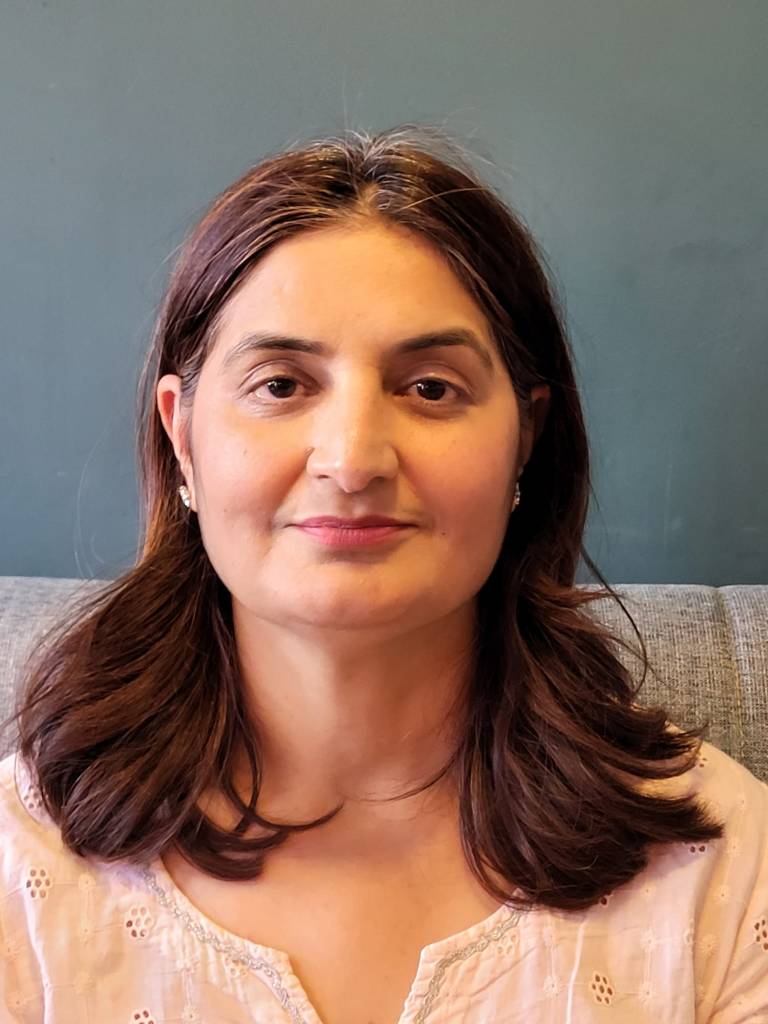
Ms Palwasha Bangash
I have been a tutor on the Mao to Mandela undergraduate history module. More recently, I have been an online tutor for the University of London, Distance Learning BA History course. Prior to that my professional life has been dominated by working in the international aid sector with a focus on gender issues in disaster relief situations. I am motivated to continuing research in history through a career in academia.
| Personal Profile |
Research Interests
My project is centred on the research and analysis of the history of a Marxist organisation which emerged in the North West Frontier Province (renamed as Khyber Pakhtunkhwa), Pakistan, in the late 1960s. In addition to examining the trajectory of the party, I am also looking into its networks at the national, regional and international levels. Equally, how this organisation’s agenda aligned with the radical politics of the 1960s and 1970s. I am particularly interested in exploring how its socialist rhetoric become acceptable and even popular in a conservative Muslim setting.
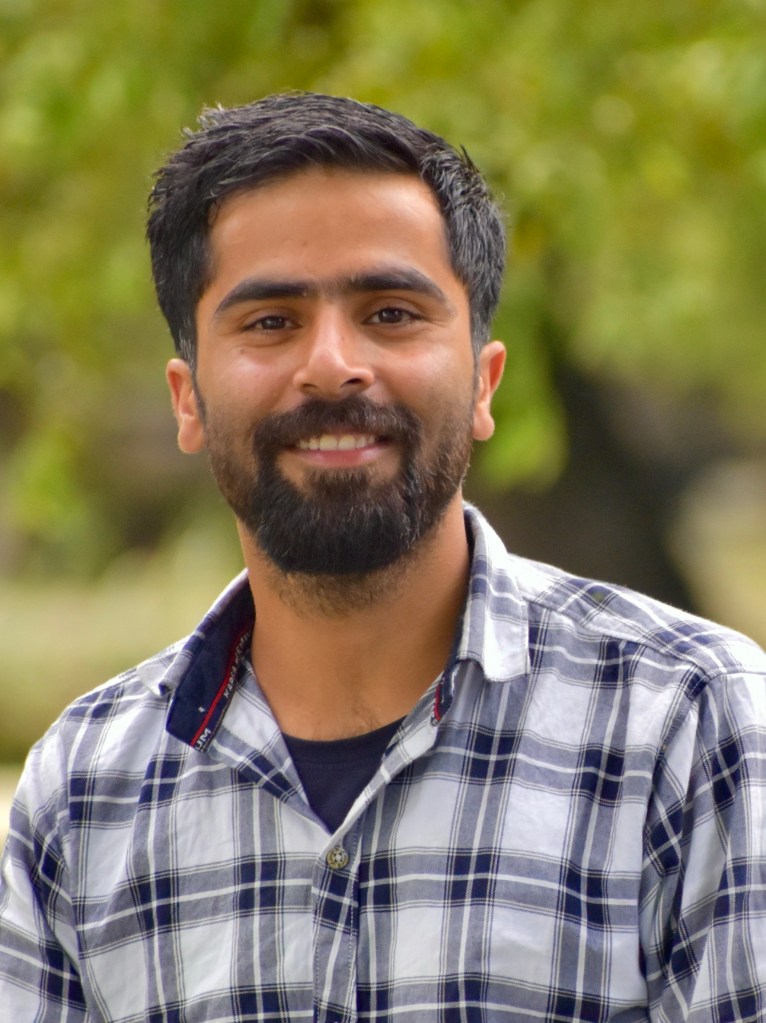
Mr Wajid Abbas Rather
While doing my masters in Sociology at Jamia Millia Islamia, I set my sights on the diverse and interdisciplinary expertise that the centre for Global South Asia offers. The centre’s focus helped me develop my idea and led the way in my effort to combine history with the methods of Sociology and Anthropology. The opportunity familiarised me with a wider world of academics.
| Personal Profile |
Research Interests
My research focuses on the changing dynamics of Shi’ism in Kashmir which is embodied in the commemorative processions during Moharram. Processions which commemorate the ‘martyrdom’ of Imam Hussain and his companions are central to collective Shia devotion and also imbibe the transnational trends and language in the Shia world. Thus, I tend to cover a localised transnational impact in the lifeworld of the Kashmiri Shia community. I combine historical research methods with ethnography and draw on political and social theory also. The broader impact is directed not exclusively at South Asian History but at wider interdisciplinary and regional concerns of great public relevance.

 Centre for Global South Asia